
Aerial Inspection & Oversight
See the whole asset — without the scaffolding
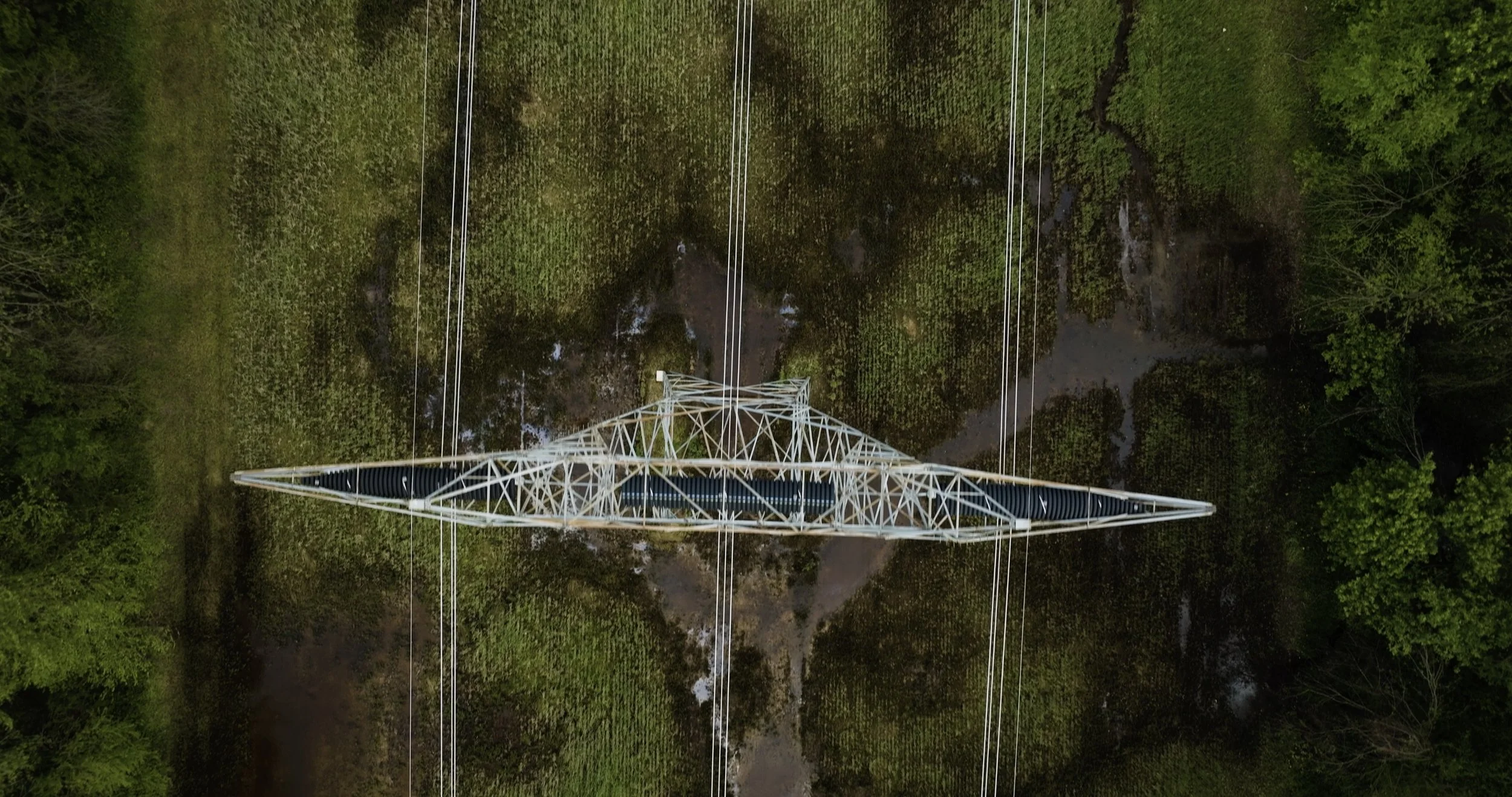
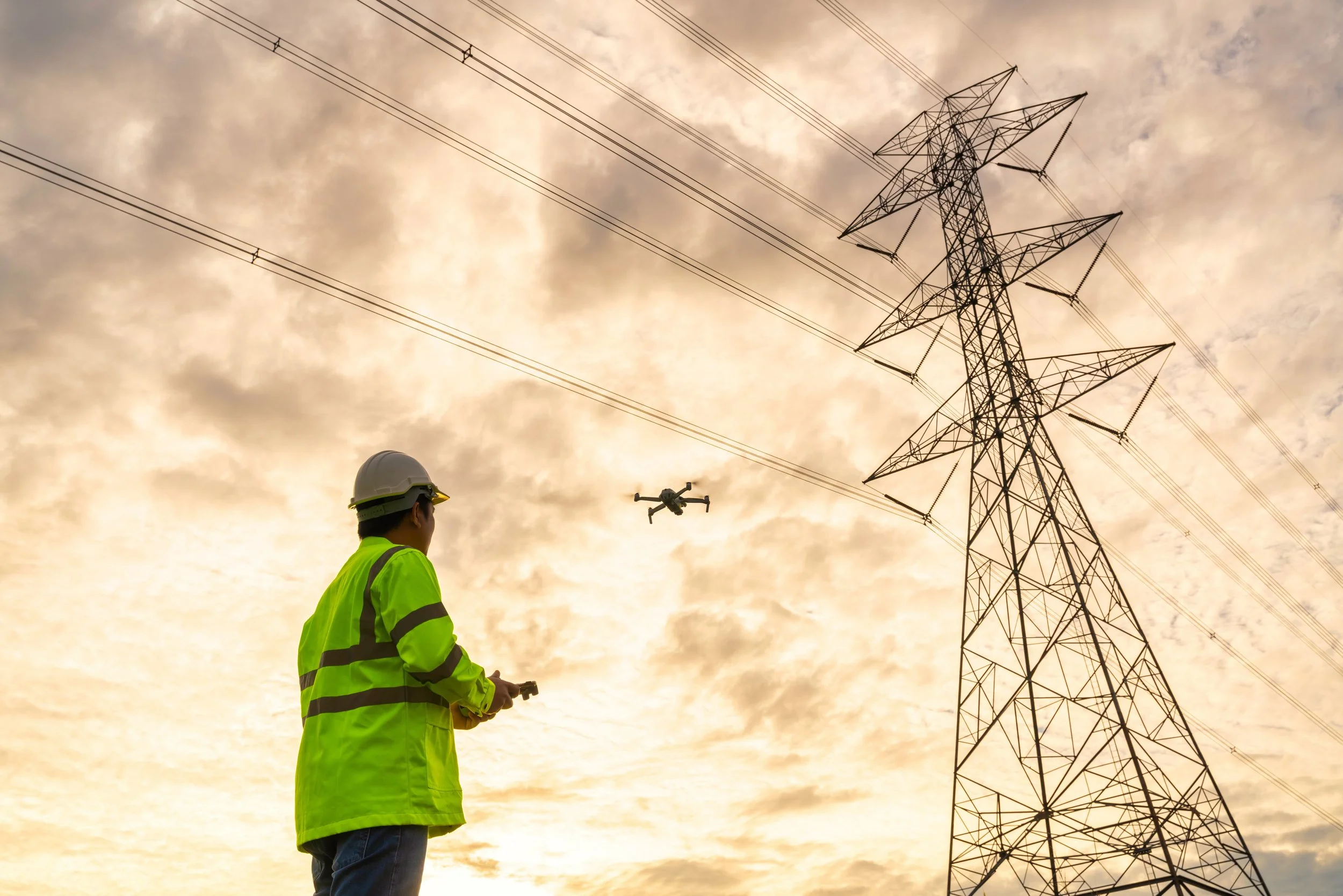
Inspecting tall, remote, or hazardous structures has always forced a trade-off: send people up on ropes, booms, and scaffolds, or accept that you can’t see the thing properly. Aerial inspection removes it. We put a high-resolution camera exactly where the problem is — a tower crown, a bridge soffit, a roof membrane, a flare stack — and bring back a clear, geolocated record without a single person leaving the ground.
It helps to separate two related jobs:
Asset inspection is the focused examination of one structure — capturing fine visual detail of facades, rooftops, utility structures, and steelwork to document condition, wear, and defects.
Infrastructure oversight is the broader, repeated view — monitoring a site or a corridor over time to track progress, verify compliance, and catch change before it becomes a problem.
Why it earns its place
• People stay on the ground. The most dangerous part of a traditional inspection is the access. Standoff aerial capture removes the fall exposure and the need for scaffold, rope, or shutdown.
• Detail at a distance. High-resolution wide and zoom optics resolve fine visual detail on surfaces you can’t safely reach, from a stable standoff position.
• A record, not a memory. Every frame is geolocated and time-stamped, so an inspection becomes a dated, coordinate-indexed dataset you can compare flight-over-flight — not a folder of loose photos and field notes.
• It plugs into your existing tools. Imagery and 3D structural models drop into your BIM or GIS environment, so condition data lives alongside the rest of the project instead of in a silo.
Where it fits
• Condition assessment — Document facades, roofs, towers, and structural steel in high resolution to support integrity reviews and maintenance planning.
• Construction oversight — Track progress and verify as-built work against the design on a regular cadence, catching deviation while it’s still cheap to fix.
• Post-installation QA — Inspect connections and hard-to-reach assemblies immediately after install, before they’re enclosed or commissioned.
• Recurring monitoring — Re-fly critical assets on a schedule to build a longitudinal record of wear, movement, or erosion.
• Decommissioning — Assess structural condition before dismantling aged infrastructure, keeping crews clear of unstable elements.